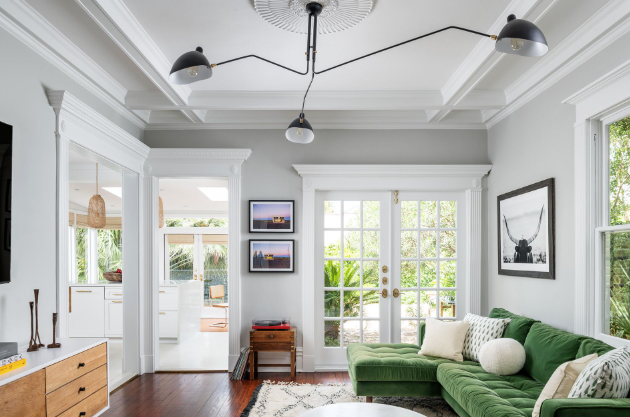
This guide outlines practical, budget-friendly DIY home-renovation ideas that emphasize upcycling, planning, and phased work. It highlights quick wins, affordable material swaps, and cohesive styling to improve flow without costly overhauls. Each section stays focused on reversible changes and measurable milestones, aiding steady progress. With clear budgeting and clear scope, results accumulate while chaos stays at bay. The reader gains a roadmap, and a few pivotal questions linger to guide the next steps.
What You Can Achieve on a Budget
On a budget, meaningful home improvements are achievable with careful planning and prioritization. The approach emphasizes space planning to maximize flow, surface textures for tactile interest, and decor cohesion for a unified feel. Paint color palettes guide mood, while lighting layering boosts ambiance. Storage optimization and budget tracking support accountability, and project prioritization ensures steady progress without overspending.
Quick-Win Projects That Transform Rooms
Quick-win projects can noticeably redefine a room without major upheaval. They focus on impactful, rapid changes. Small space lighting brightens corners without bulk, while faux finishes textures add depth on affordable surfaces. A budget friendly layout rethinks furniture grouping for flow, storage, and perception of space. These updates require minimal disruption, clear goals, and measured execution for noticeable room transformation.
Upcycling and Smart Hardware Swaps
Upcycling and smart hardware swaps offer tangible ways to modernize a space without new purchases. Practical projects focus on low cost, reversible changes that preserve structure.
Upcycling ideas include refinishing cabinetry, repainting fixtures, and reimagining storage with reused containers.
Smart hardware swaps improve usability—drawer pulls, switch plates, and faucet aerators—delivering immediate impact while keeping control over budget and timeline.
Planning, Budgeting, and Getting It Done Without Chaos
Planning a budget-friendly renovation starts with clear goals and a realistic timeline that build on practical upcycling ideas. A detached plan maps milestones, anticipates planning pitfalls, and defines budgeting benchmarks to prevent scope creep. It emphasizes cost-conscious choices like hardware swaps and reuse, fostering freedom through flexibility while maintaining progress. Clear communication, phased tasks, and simple tests keep projects steady, focused, and chaos-free.
Frequently Asked Questions
How Do I Avoid Mold When Renovating on a Tight Budget?
A detached observer notes: to prevent mold on a tight budget, prioritize moisture control with budget-friendly steps—improve ventilation, fix leaks promptly, use low-cost dehumidification, perform thorough drying, and seal gaps; long-term savings stem from proactive maintenance and consistency.
What Are the Best Low-Cost Tools for Beginners?
Satire aside, the best low-cost tools for beginners are budget friendly tools and starter kits for beginner carpentry. They empower practical, concise projects, offering freedom while building skills; invest basics: a tape measure, square, saw, drill, and clamps.
Can I DIY While Renting and Not Violate Lease Terms?
Yes, one may DIY while renting if DIY lease terms are satisfied and renter permission is obtained; proceed cautiously, document approvals, use temporary, non-damaging methods, and respect landlord guidelines to preserve tenancy without violating lease terms.
Which Materials Are Most Durable yet Affordable for Floors?
Durable flooring and affordable materials include vinyl plank, laminate, and ceramic tile. The answer emphasizes practicality: these options balance resilience and cost, allowing renters to renovate thoughtfully, embracing freedom while avoiding excessive spend and frequent replacements.
See also: boss-turf
How Do I Assess Safety Risks Before Starting Projects?
A safety risk assessment identifies potential hazards, evaluates likelihood and impact, and prioritizes controls; budgeting risks are considered to ensure costs remain realistic. He/she should document findings, implement precautions, and revisit assessments as plans evolve for freedom-minded projects.
Conclusion
A practical, budget-conscious approach to home renovation yields meaningful changes without disruption. By prioritizing fast, reversible upgrades—lighting tweaks, color-coordinated palettes, and reorganization— homeowners see noticeable improvements with minimal risk. One compelling stat: research shows that thoughtful lighting can alter perceived room size and mood up to 20% without structural changes. Emphasize planning, track costs, and reuse materials to extend value. With clear milestones and simple swaps, a refreshed space emerges efficiently and affordably.